Human actions involve a sense of the full physical material realities of the world. In the earliest eras of evolution in Africa essentially for 7 million years many cultures interact to develop complex behaviour to skilfully deal with all that happens to assure life. The earliest civilisations of Asia along Himalayan rivers and Pacific Ocean coasts experience atmospheres, seas, geological processes and living organisms that challenge humans to make effective responses to continue living. Early seafarers of the Indian Ocean from 1,000,000 BCE around the coasts of Persia and Arabia to Africa encounter wildlife and human cultures that invite intercourse to proceed successfully as initial civilisations. North Africa, Arabia and the Near Middle East provide in addition extensive desert terrain between Taurus and Zagros mountains where human cultures from 100,000 BCE develop deep earth architecture and raise rock engineering in physical science solutions to precarious environmental conditions.

Mountain ranges challenge humans to develop physical skills and knowledge of the world
From Nile river silt, mud, clay, soil and North Africa desert quartz sand the ancient Egyptians develop agriculture, ceramics, glazes and glass. The materials available to humans and that are in use to make textiles, dwellings, civic buildings and minerals precious artefacts as civilisation progresses come to have a value in the world. The stone blocks that skilful labourers raise high to construct temples and pyramids early items in the physical science of matter. The movement of masses for the ancient world is early Mediterranean seafaring trade between Alexandria, Mycenaean Knossos, Syracuse and Athens and the stars that guide ships safely between ports is the first astronomy.
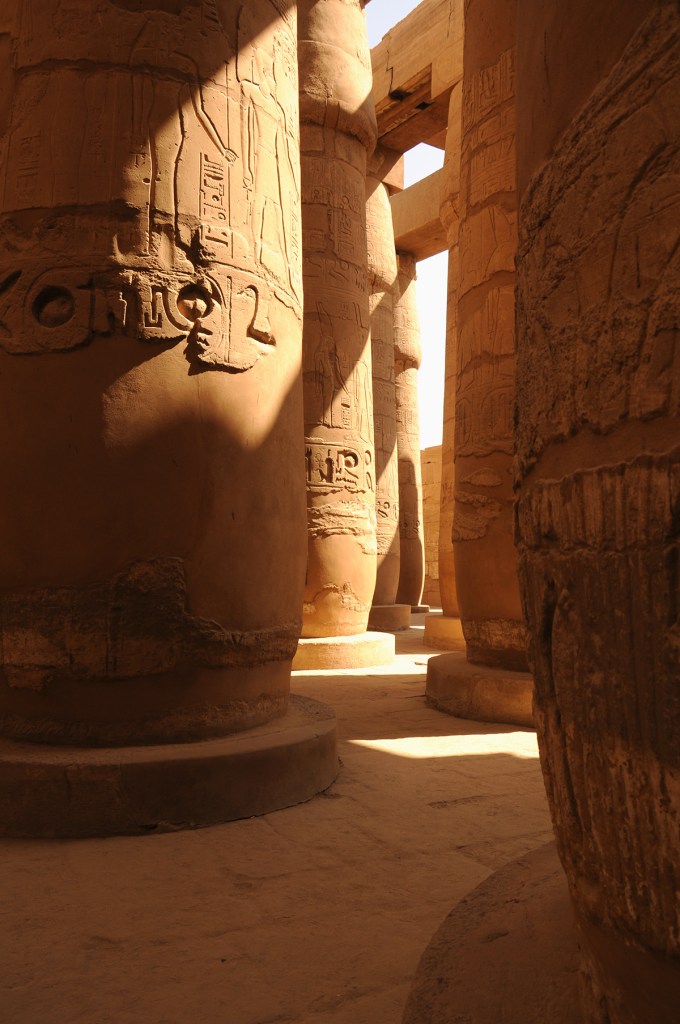
Ancient Egyptians skilfully handle massive temple blocks at height
In commercially active renaissance Europe physical science endeavours to organise all that is known about materials. Galileo’s experiments rolling masses down planes inclined at different angles provides the first evidence that acceleration due to the earth is really energy change. From an apple falling Newton makes a connection with planets moving around the sun. The motions he observes are comprehensible as energy changes of all masses in the universe.

Motions of planets, moons and comets comprehensible as energy changes of all masses in the universe
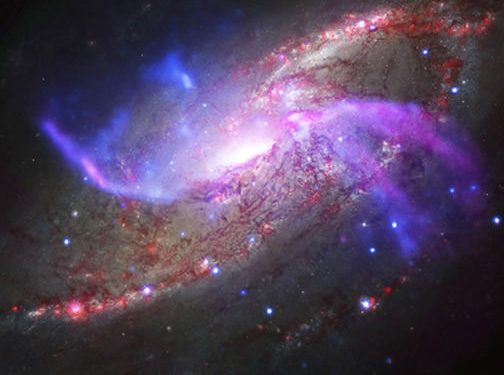
The discovery of galaxies moving beyond our own in the first half of the 20th century
widens the material available for physical science investigation. The observation of galaxies rotation rates by Vera Rubin and that the masses of individual constituent stars are insufficient to hold galaxies together suggests that there is more matter than observable. The motions of superclusters are similarly not explicable in terms of visible masses. NASA research into the Spider Web protocluster finds star formation processes happening near cosmic filament intersections which may energize early galaxies of the universe.
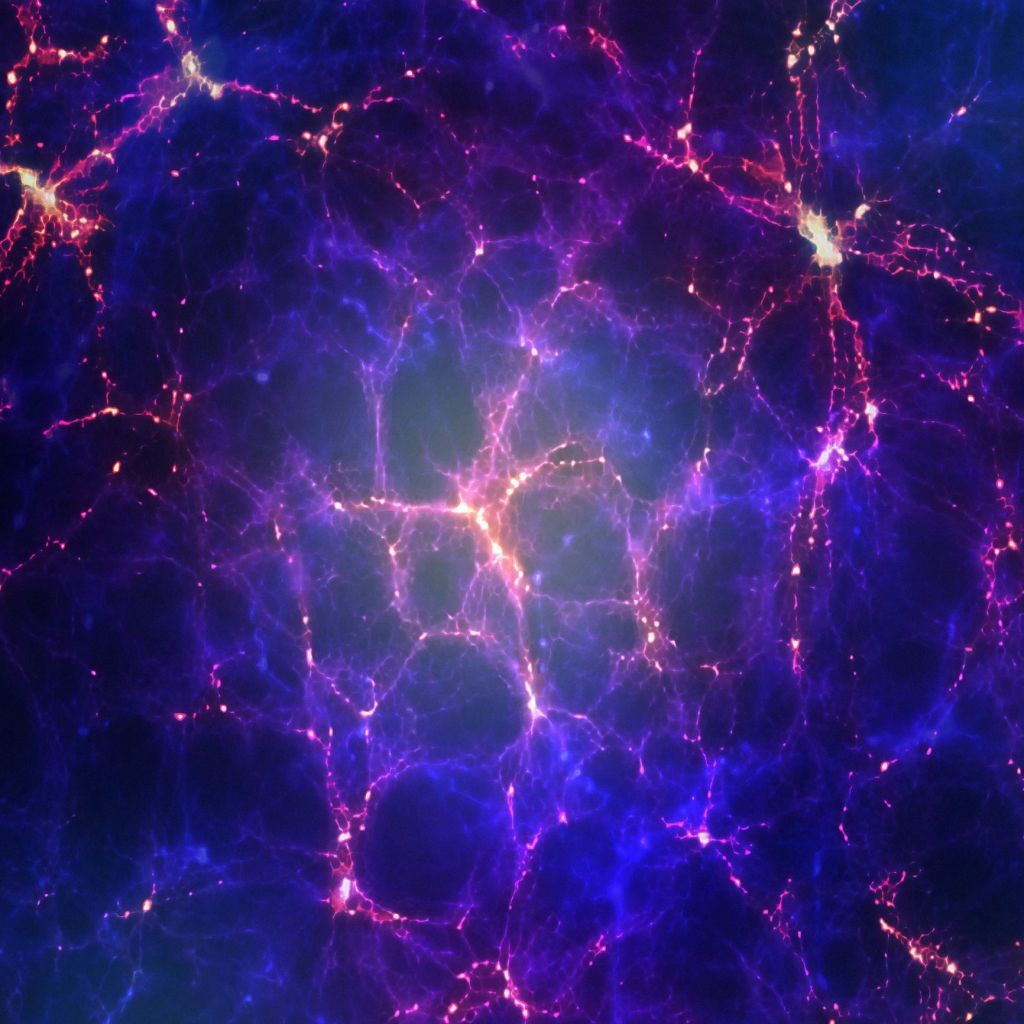
Energy into early galaxies of the universe