Our own movements of full real life interact with sun, atmosphere, water, earth, plants, animals and all humans. Initially it seems that living shares with everything of the world and that the animation of all that we sense is akin to our own actions. Evolution with wildlife in Africa provides the experience of animal behaviour that is different from our own in closeness to the earth, height, quickness or complexity. Earliest cultures in Asia from 2 million years BCE along the Brahmaputra, Irrawaddy, Ganges and Yangtze rivers encounter Himalayas, Pacific Ocean, atmospheres and geological processes that introduce human beings to possibilities of material motions distinct from our own.
Movements different from our own
Earliest cultures of Africa, Arabia, Near and Middle East in trade exertions over harsh geography experience steadiness of the stars for guidance for effective expeditions. Thus the efforts of Sumerian astronomers is directed to ascertain sun and stellar configurations appropriate for human events. From 10,000 BCE ancient agriculture and architecture oriented with the sun so that ceremonial temple practices coincide in maximum physical effect in the coordination of civic life. By these means astronomy and engineering configure motions and physical practices to progress early civilisations advance in comprehension of natural occurrences.
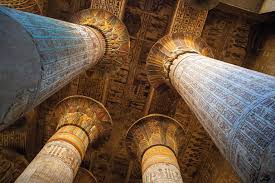
Ancient Egyptians raise temple block masses towards the stars
African Arabian travellers through wide ranging human intercourse experience the physical efforts of transferring valuable materials across rough terrain and high mountains.
To impart the Mediterranean natural material motions of Hellas to renaissance Europe Galileo observes a swinging chandelier in Pisa cathedral and by timing with his own pulse the periods of oscillation is able identify acceleration due to the earth as energy change. In relief from Cambridge 1666 Newton associates falling apples with the movements of planets around the sun as energy changes of all masses in the universe. So that the motions of planets, moons and comets are comprehensible and can be ascertained by human reckoning.
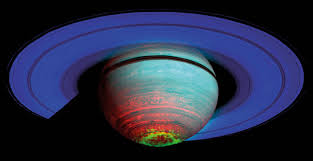
Motion of planets around the sun as energy changes accessible though human actions of reckoning in terms of acceleration, distances and masses
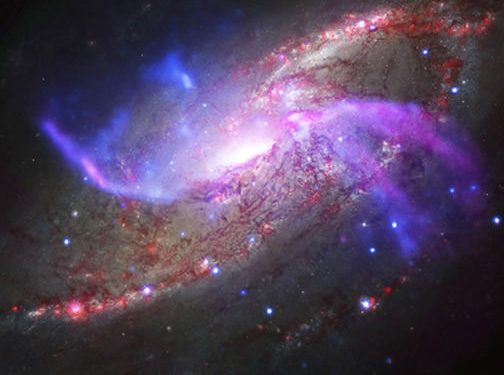
Identification of Andromeda as a galaxy moving beyond our own by Edwin Hubble 1920s initiates a century of discoveries about a dynamic universe. Vera Rubin’s observation of galaxies rotation rates not being explicable in terms of masses of constituent stars and then clusters having more matter than can be observed opens questions about Newton’s description. NASA research into the Spider Web proto cluster reveals that cosmic web filaments energise star formation processes. This combined with the discovery of massive early galaxies indicates that observable matter and mass may come from energy changes of the wider universe.
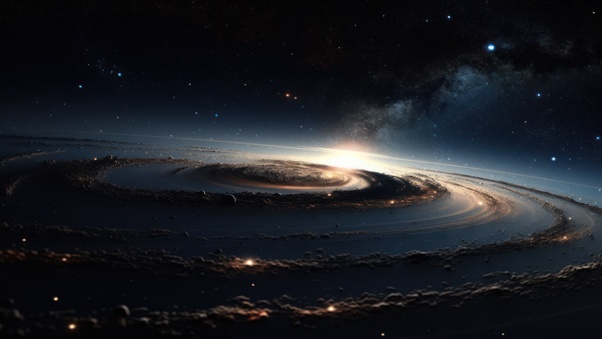
More matter in galaxies than observable