It is through full real life actions that we sense the world. Experience enables humans to proceed with basic immediate needs continuously to find skilful ways to resolve interaction with all groups and cultures. Living for 7 million years in Africa cooperation provides ways to survive emergence into Asia where earliest communities on Brahmaputra, Irrawaddy, Ganges, Mekong and Yangtze rivers and coasts advance to civilisation in China, Pacific and Indian Ocean islands. Atlantic, Arctic Europe challenges human biological and cultural evolution for a million years to develop skilful practices to survive fierce atmospheres, storms, tides and glaciation of the North.

Pacific and Indian Ocean coasts islands cultures early advance 2 million years BCE
Herding and harvesting wild plants by African Arabian Near East Neolithic cultures initiate the first cities Jericho, Eridu, Ur and Kish 10,000 BCE. Sumerian Persian gulf delta cities trade cereals, ceramics, textiles and metals with Indus Valley Harappa for precious spices, minerals, ivory, silver and gold so that these civilisations continue to develop into the Bronze Age. Earliest ancient Egyptian seafarers to the East African Indian Ocean Coast include Isis Ptah ISISPtah IISSPtah ISHPTAH (Hatshepsut) with her expedition to Punt 1,500 BCE for Myrhh and Frankincense which she celebrates in her wonderful rock cut temple. From now deep underwater Thonis Heraklion Alexandria Cleopatra entices the Mediterranean world to her beautiful civilisation.
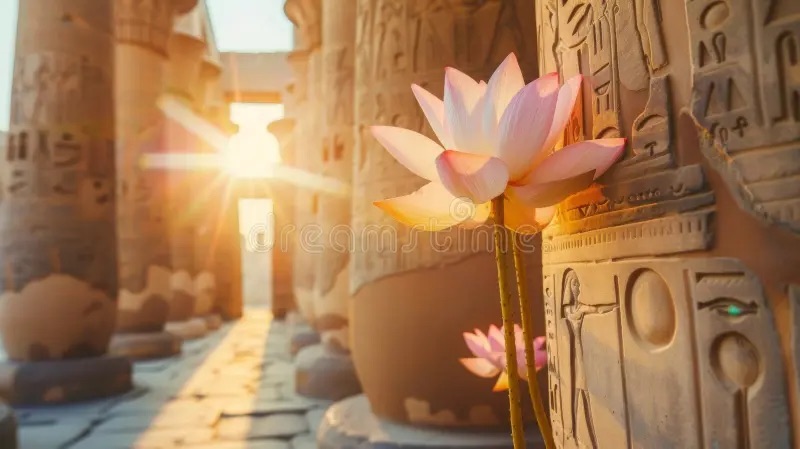
African ancient Egyptian civilisation from 10,000 BCE
Charlemagne’s unification of the Franks initiates Europe wide consolidation of free peoples for combined progress. Renaissance cities Florence and Padua with strong commercial foundations develop painting, sculpture, architecture, civil engineering and medical schools to transmit Vesalius’ De Fabrica Anatomy to among others Galileo Galilei who transfers to physical sciences, astronomy and mathematics. Free English people and Enlightenment France of liberty and equality continue dynamic materialism in scientific advances. Then the turmoil of the Industrial Revolution releases masses of people into the uncertainties of prosperity founded on cooperative bonds of manufacturing processes.
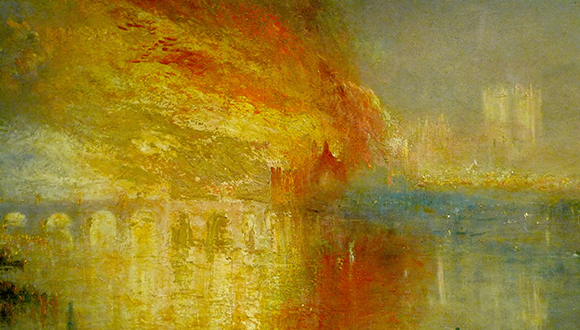
19th century material progress and scientific advances
The romantic movement suggests the deep life that is needed for full human development. The power of the sun that drives Northern European civilisation through dark Atlantic Arctic atmospheres is
experienced through African Caribbean peoples culture. The intensity of emotions really felt but not expressed in everyday European existence are fulfilled in deep historical sagas of germanic and Nordic passionate affairs. The deep life of Atlantic Celtic coasts, isles and mountains continues through Guinevere’s journey from Eireann through Scotland and Wales Cymru along the Avon Somerset Levels waterways and Avalon Marshes wetlands over the Sweet Track to Glastonbury lake village as she invites the reality of Arthur.

Gwynffh Guinevere