To begin with our sense of the world comes from human life and animals. In prehistory material culture comes to involve earth, rock, stones, minerals, metals, glass, ceramics and textiles as human transactions become more complex between cultures. It seems as if material life artifacts to exchange in trade make up what early civilisations are doing in the world. So that the reality of matter and mass for the ancients becomes what objects are made up of in Thales, Anaximander, Anaximenes rather than what is the true nature of our material involvement with the universe.
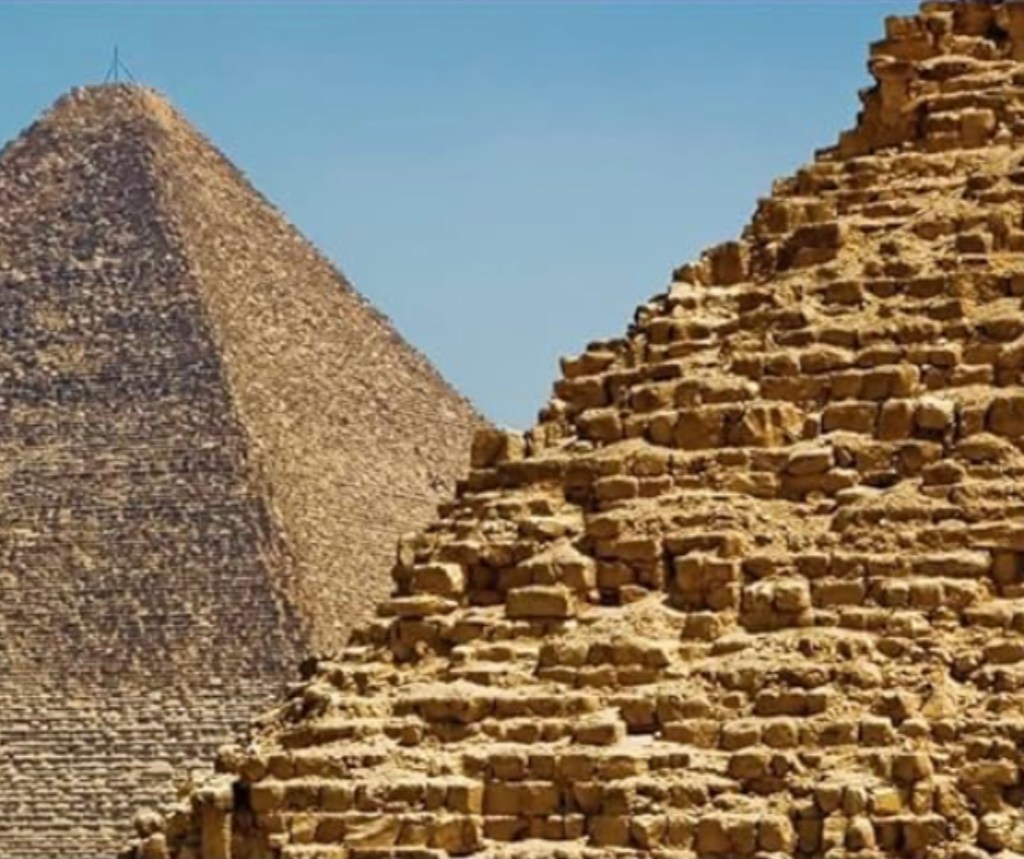
The progress of world civilisations around 1000 CE involves growth of material transactions of commerce with Africa reaching across the Indian Ocean to China where already human physical energies comprehend the natural universe. The intensification organised endeavour in renaissance Europe makes possible Galileo’s investigation of masses in motion using inclined planes which demonstrates that all matter is inextricably linked to energy changes with the earth. All human material life involves the earth, moon and planets through physical exertions to make new scientific discoveries. The acceleration due to the earth, lunar phases mountains craters and the moons of Jupiter prove that the materials, matter, masses and motions of everyday human life are features of energy changes of planets of the newly discovered solar system.
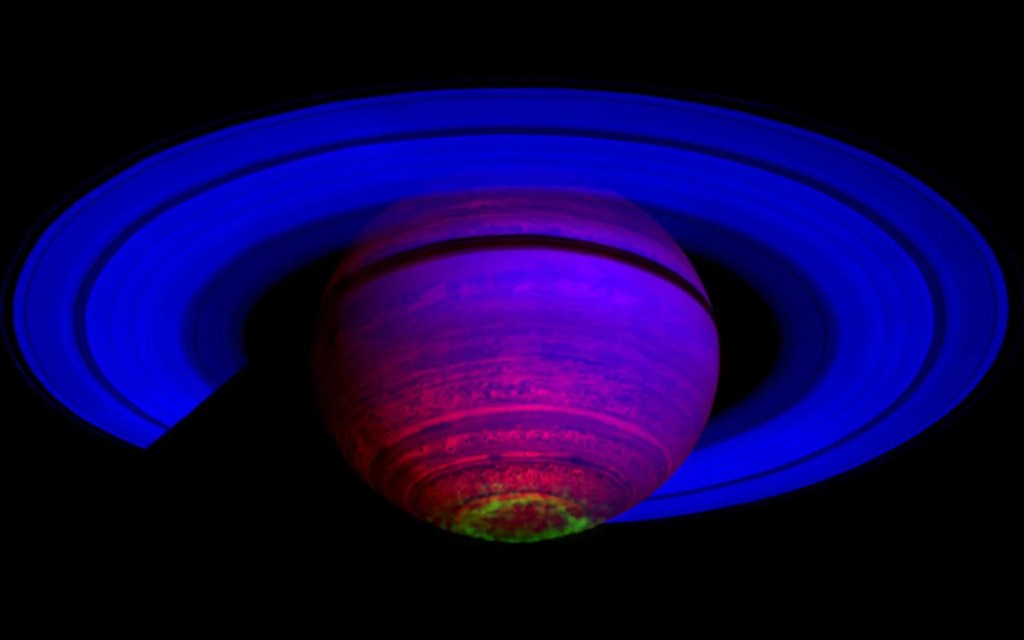
The masses in motion of Galileo become for Newton movements of planets around the sun. To comprehend how the everyday matter we know from the earth is also fundamental to the dynamics of all material bodies the human action of pulling is used to expound universal gravitation. However the coherence, combinations and an integration of the masses and motions of stars in galaxies is not taken into account. The achievements of Enlightenment planetary dynamics is to identify definite masses that move in a comprehensible way at least as far as the solar system influences.
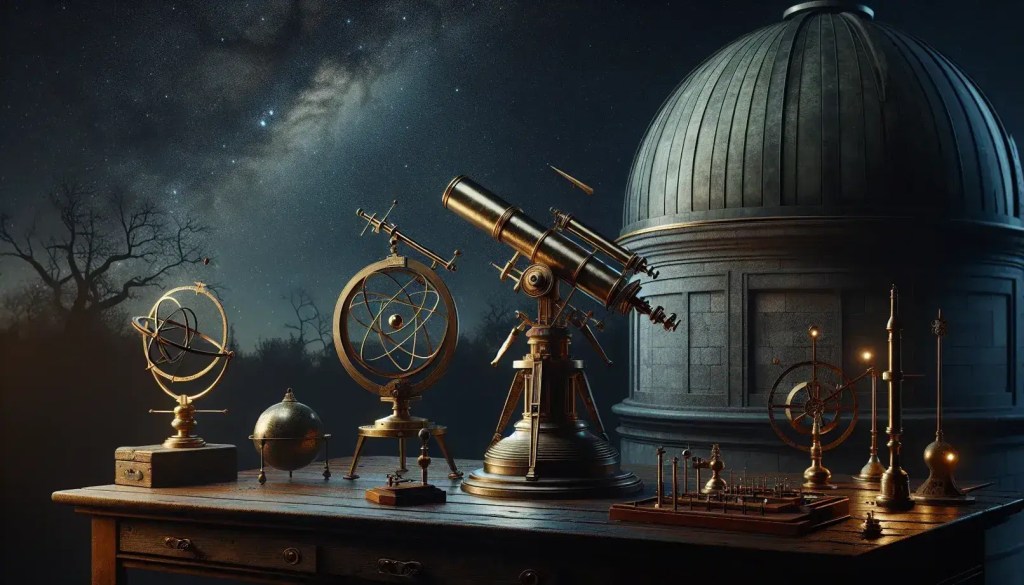
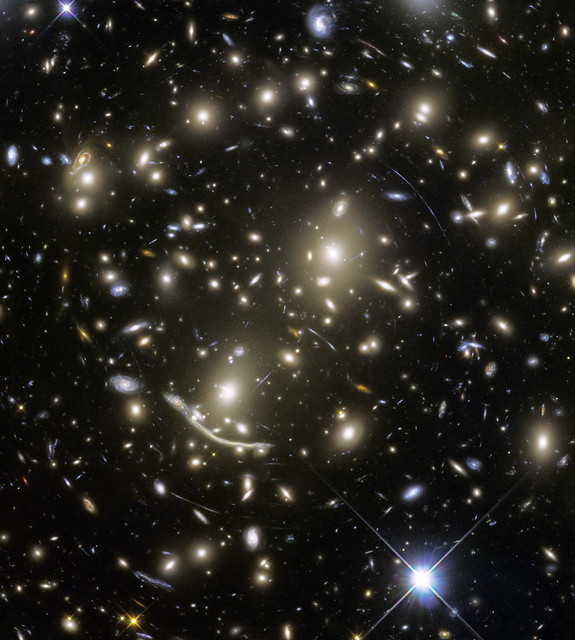
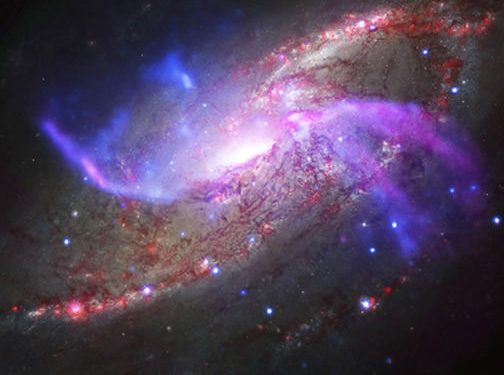
In the 19th century the progress of science included the discovery of very many more stars and nebulae. Edwin Hubble’s identification of galaxies moving beyond our own came with 20th century quantal electronic atomic nuclear initiatives that describe the matter mass and motion of elementary particles as functions of energy. Dynamics of stars and galaxies suggest that matter and mass come from energy changes of the universe. In the 21st century to comprehend the dynamics of superclusters energies interchanges of the whole universe may be needed as the effective functions to make sense of observations.