
What we find in the world comes from our actions. Our discoveries through human evolution enable us to harness the useful strength of animals to advantage. In prehistory rocks and minerals are made to improve life through skilful adaptation of chemical processes in medicine, culinary science and textile pigments.

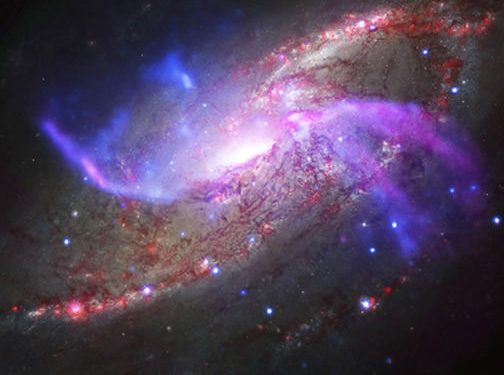
Physical science for the early free nomadic and settled cultures involves observation tidal effects, planetary regularities, winter and summer solstices and the deep influence of the stars for guidance of human affairs precarious uncertainties of material circumstances. It seems as if the sky is distinct from events of earth with human efforts tied up in struggle against rival city states. Babylon attains great integrity with the sun and stars through 360 day year, 60 base number system, 12 lunar months and 24 hour day and is able to initiate sustainable guidance of human affairs at the dawn of history. Events on the ground for the near Middle Eastern civilisations direct early science into improving techniques of immediate material living.

events in the sky
For knowledge of the world to progress early civilisations have to be sure of their own advantage. In Central America the Maya deepen their involvement with each other through the use of psychoactive plants involve their lives with the stars immediately participative astronomy. What humans are capable of in ancient China and India at first obscures the influence of the stars by the weight of strategic commerce. The African Arabian civilisation comes to develop astronomy and mathematics substantially secure the boundaries of their achievement.

Human efforts directed into worldwide commerce
Even in the renaissance the might of one European state countervails a neighbouring people with progress in Venetian material glass manufacturing technical science struck down by the remnants of Arabian attainment in the Balkans. In the course of the enlightenment steady accumulation of astronomical knowledge permits the motions discovered by Galileo to be accounted for in the universal gravitation discerned by Newton to unify natural inquiry. It becomes clear in the 19th century that astronomical events may be accounted for by basic physical principles of science. The engagement of human efforts in frantic enterprise is not seen to detract from comprehension of the universe and the fundamental exploration of science into the true nature of reality is diverted by pressing counter influences of human affairs.