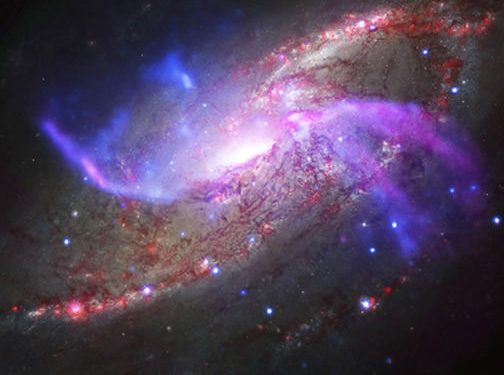
Our actions enable us to discover the world. What we find through our senses enables us to participate in the surroundings. Through evolution humans come to be capable of knowing animals, earth, sea, sky and sun. All that is available in the world through human material exchanges in the prehistoric era enables improvement in knowledge of rocks, plants, animal behaviour and precious metals.

It is not initially clear that human activity may come to be a skilful involvement with the world. Astronomical attainments at the dawn of history of moon phases, wandering planets, seasonal solstices and star brightness enable human affairs to proceed with the relief of wider awareness.
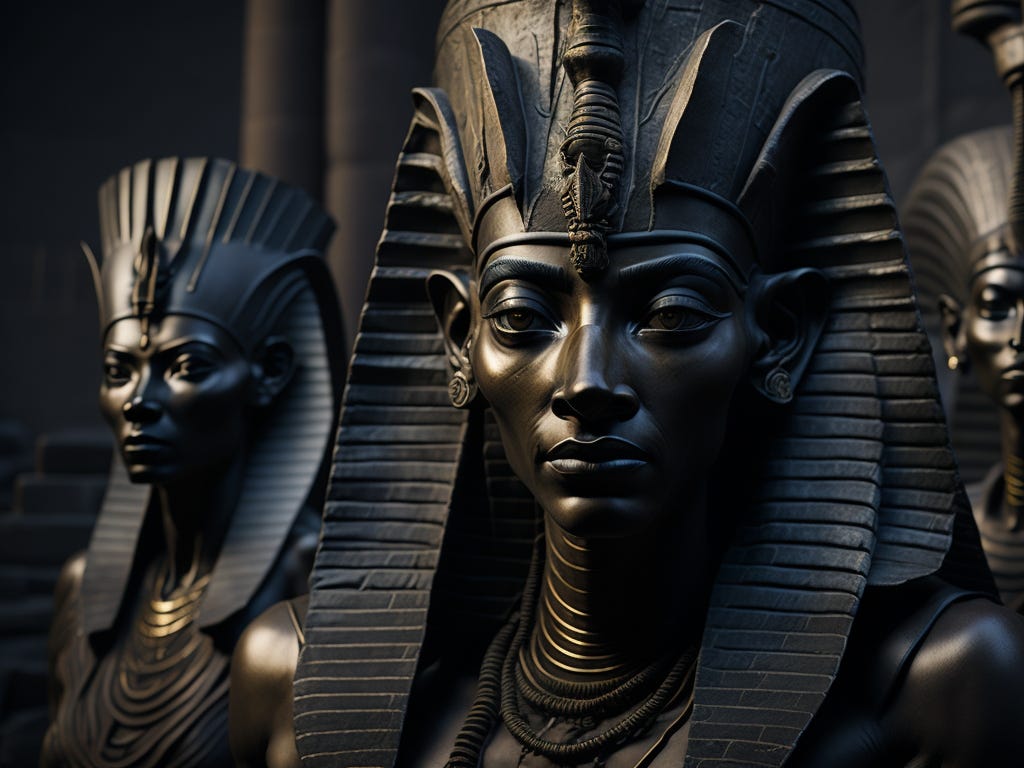
In Central America, China, India and the Near East astronomical observations appear to reveal sun and stars as essentially different from human affairs. In ancient Egypt humans take on the qualities of powerful animal and star beings entrusting life on earth to a civilization in harmony with the universe. The physical, chemical and medical sciences develop to protect lives made eternal by participation in enduring natural processes. Through the development of natural sciences and arts human progress is assured in commerce with a wider range of material exchanges.

In the renaissance the movement of earth and planets around the sun initiates science on a quest for truth. What is really happening becomes the course of human endeavour with universal gravitation providing the stimulus for integrating knowledge into a means for advancement. In the 19th century industrialisation enables more people to participate in the riches gathered through commerce and science. Human energies are active in worldwide enterprise free to come to the universe in their pursuit for the real truth of how the whole cosmos we sense functions.