Actions enable us to find out about the world. We sense what we have to do. Our experience of the earth is also interaction with the atmosphere. All that involves our full real lives comes into skilful everyday behaviour.
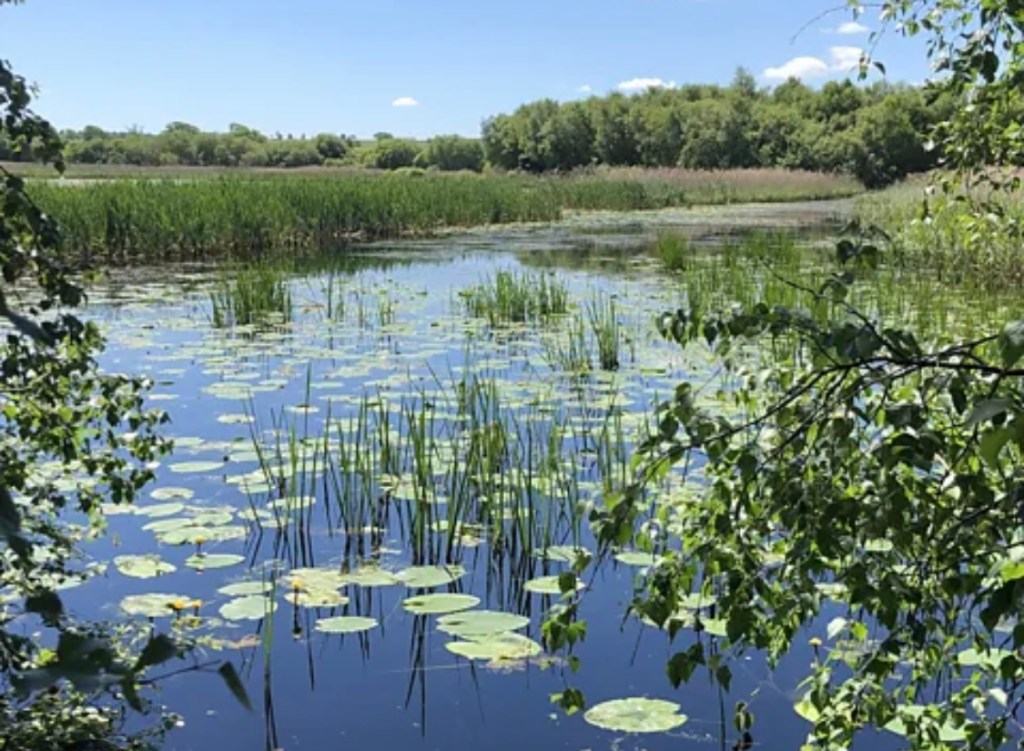
Humans evolve with natural environment
Plants and animals develop alongside earliest African cultures. Himalayan and Pacific Ocean atmospheres excite deep response in first Southeast Asian civilisations. It is the Taurus and Zagros mountains with Tigris and Euphrates flowing into the Persian Gulf delta that Sumerians use to canal irrigate marshes for agriculture 10,000 BCE. Wildlife comes to the annually inundated black fertile Nile river banks so that ancient Egyptians are able to develop civilisation in harmony with nature.
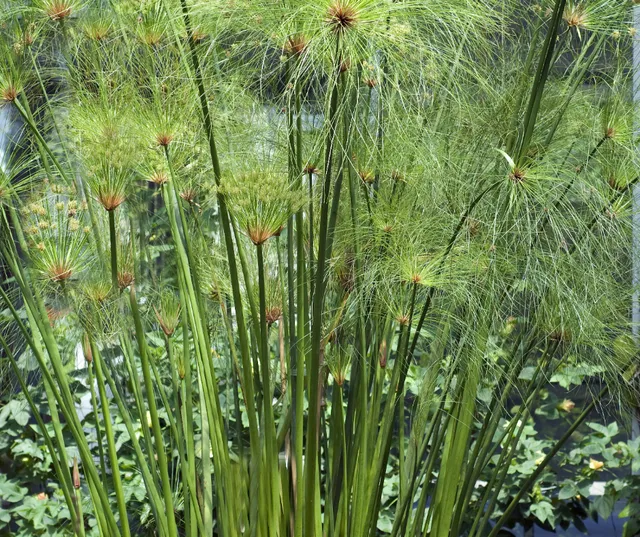
Papyrus for boats dwellings temples and writing materials
North African Mediterranean atmospheres stimulate seafaring ventures from Levant and Hellas. It is the severity of mountain and desert terrains that strong African Arabian scholars traverse to bring knowledge from the ancient world. Already renaissance Europe is seeking wider connections to progress trade. Overseas voyages also provide naturalists in the 18th century with first hand evidence of the diversity of life around the globe.
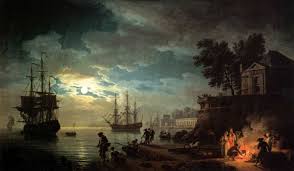
Full variety of species that make the natural world
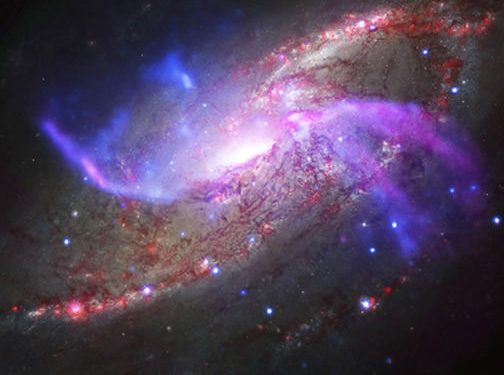
Worldwide travel provides evidence that species change. Synthesis of organic compounds demonstrates the chemical essentials of living processes. Molecular structures of penicillin, insulin and DNA are revealed by X-ray crystallography in the second half of the 20th century. All this comes to indicate that interactions of life may have atomic origins in galactic interstellar nebulae.
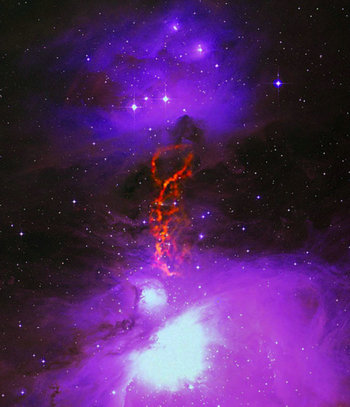
Orion molecular cloud complex core