
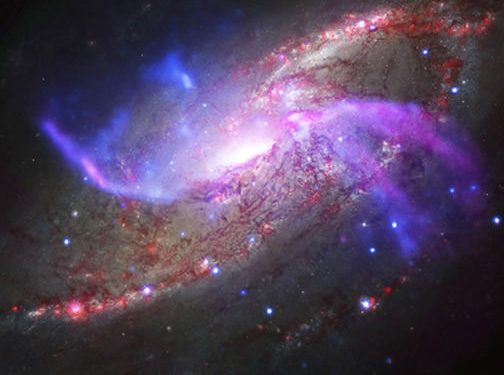

Actions enable us to find out about the world. As we proceed senses develop for all we need to do. Evolution in Africa provides skills to effectively interact with natural human surrounds. Himalayan and Pacific Ocean atmospheres stimulate progress in Asia for 2 million years.

Swells, currents, breezes and stars guide Southeast Asian cultures advance
Human activities in North Africa Arabia are evolutionary responses to changing atmospheres and natural environments with evidence of earth rock building from 100,000 BCE in the Persian Gulf. In a similar time scale in the Americas indigenous sculpted mastodon bones reveal early cultural advance with plants and animals. In the Near Middle East herding and harvesting enable Neolithic agricultural villages to grow into the first cities Jericho, Eridu, Ur and Kish 10,000 BCE. From Central Africa the Nile river provides materials with desert rock for early ancient Egyptian construction of temples and pyramids with architecture aligned to sun and stars.
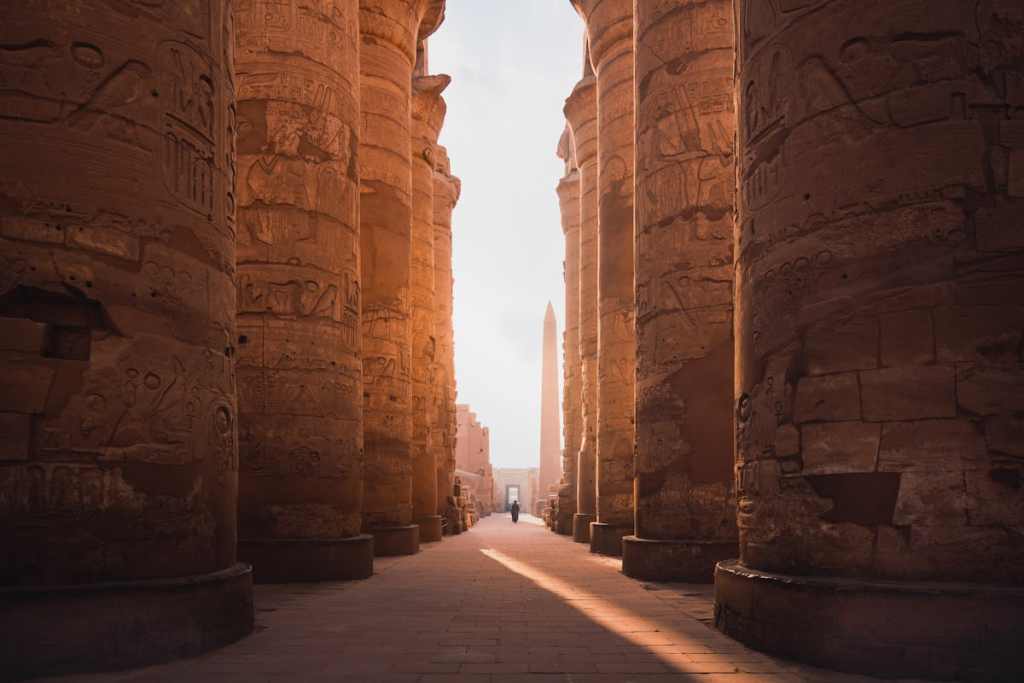
Column block masses raise awareness to stars
Civil engineering of Mediterranean cultures continues into practices of early European towns. Observations and experiments affirm rhythms and relations of acceleration of matter due to the earth for Galileo. A falling apple is like a planet moving around the sun which involves all masses and motions for Newton. This description of the solar system provides steady impulse for astronomical discoveries of the enlightenment.
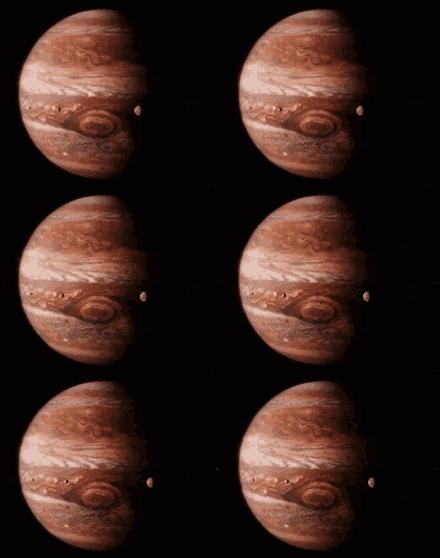
Jupiter and moons energy changes
Quanta, electronic, nuclear and atomic advances in the early 20th century provide physical processes to comprehend nature. Experiments of Chien Shiung Wu detect correlation of quanta in 1949 and fundamental strong interaction in 1956. Complexities of atomic nuclei may resolve into function of quarks. Elementary particles protons, neutrons, electrons and neutrinos may be comprehensible as energies interchanges happening coherently as local events.
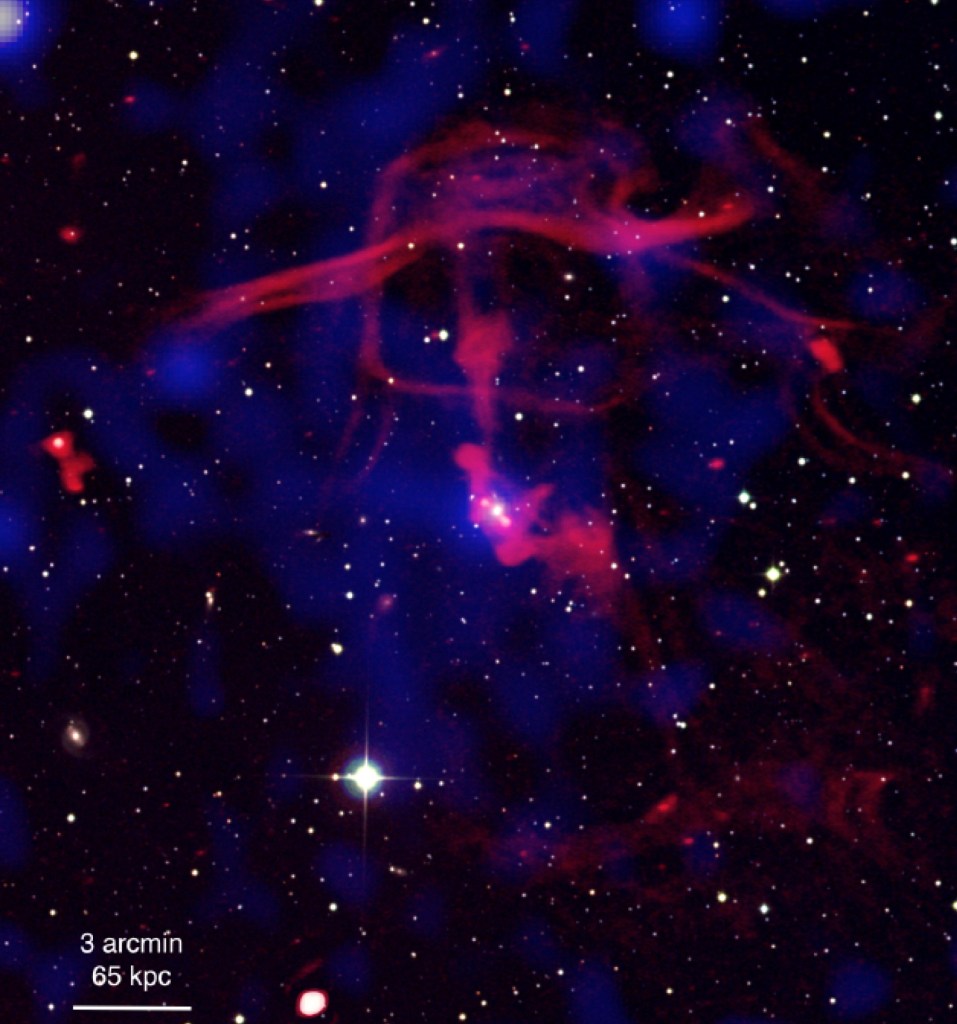
Cosmic ray acceleration and magnetic fields in galaxy